Understanding the nuances of lighting can greatly enhance your photographs, transforming them from ordinary to exceptional. The right lighting technique can create mood, depth, and atmosphere, bringing your images to life. Here’s how you can explore different lighting styles to enrich your photographic experience.
Natural Lighting
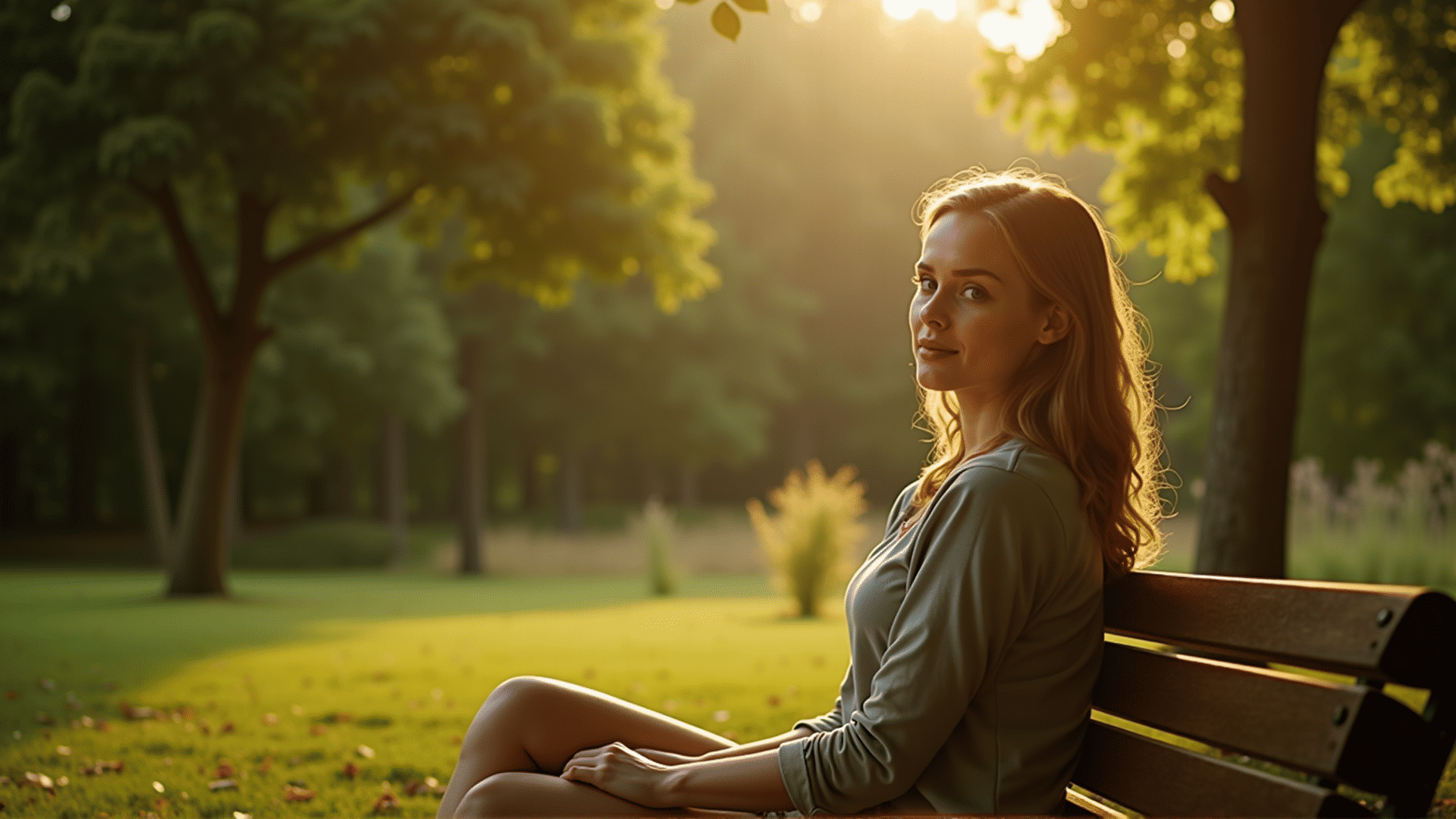
Natural light is one of the most versatile and readily available sources. It can dramatically change the mood of your photos depending on the time of day. Early morning light, often referred to as the "golden hour," casts a soft, warm glow that can add a dreamy quality to your images. Similarly, late afternoon light offers a rich, golden hue that can highlight textures and colors in a vivid, captivating way.
Softbox Lighting
Softbox lighting mimics the natural light's soft, diffused quality and is particularly useful in studio settings. By enclosing a bulb within a box covered with a diffusing material, this method spreads light evenly over the subject, minimizing harsh shadows. This is perfect for portrait photography where you want to highlight the subject’s features gracefully.
Hard Lighting
In contrast to soft lighting, hard lighting produces sharp, well-defined shadows. It can create a dramatic effect, adding a sense of mystery or tension to an image. This type of lighting can be achieved using a direct light source such as the midday sun or by employing a spotlight in a controlled environment.
Fill Lighting
Fill lighting is used to reduce contrast, mitigating harsh shadows created by a primary light source. By placing a secondary light source opposite the main light, you can achieve a balanced lighting effect. This technique is beneficial for creating a natural and even-toned image, especially in portrait photography.
Rim Lighting
Rim lighting involves positioning your light source behind the subject to create an outline of light around its edges. This effect can add a sense of depth and separation of the subject from the background, giving your photos a professional and polished look.
Experiment with Color Temperature
Different light sources emit different color temperatures, affecting the overall tone of your photograph. Warm lighting can invoke a cozy, inviting feel, while cooler tones can create a more sterile or ethereal mood. Balancing these temperatures is crucial to achieving the desired ambiance in your images.
Playing with Shadows
Shadows can add drama and depth to photographs. Using shadows creatively by altering the angle and distance of the light source can result in intriguing patterns and compositions. This technique can transform a simple scene into something extraordinary, emphasizing contrast and texture.
By experimenting with these various lighting techniques, you can significantly influence the viewer's emotional response to your work. Remember, the key is to understand how light interacts with your subject and environment and to use that understanding to tell a compelling story through your photographs. Whether you're capturing the serene beauty of a landscape or the dynamic expression of a portrait, mastering lighting techniques can elevate the essence of your photography.