In the world of imagery, understanding how to manipulate exposure settings is an essential skill that allows one to harness a wide range of creative possibilities. By mastering the intricacies of shutter speed and aperture, one can transform ordinary shots into captivating works of art. Let’s delve into the creative techniques that can be employed through these elements to capture dynamic and eye-catching images.
Shutter Speed Mastery
-
Motion Blur: By using slower shutter speeds, photographers can convey the motion within a scene. This is particularly effective in landscape photography, where elements such as flowing water or swaying trees can add a sense of fluidity and movement. A deliberate blur can also emphasize the energy of a bustling city street or the gentle grace of a ballerina in motion.
-
Freezing Action: Conversely, high shutter speeds enable the capture of a single moment in time, freezing movement and creating a dynamic sense of action. This technique is invaluable when photographing sports or wildlife, as it allows for sharp images that highlight detail and intensity.
-
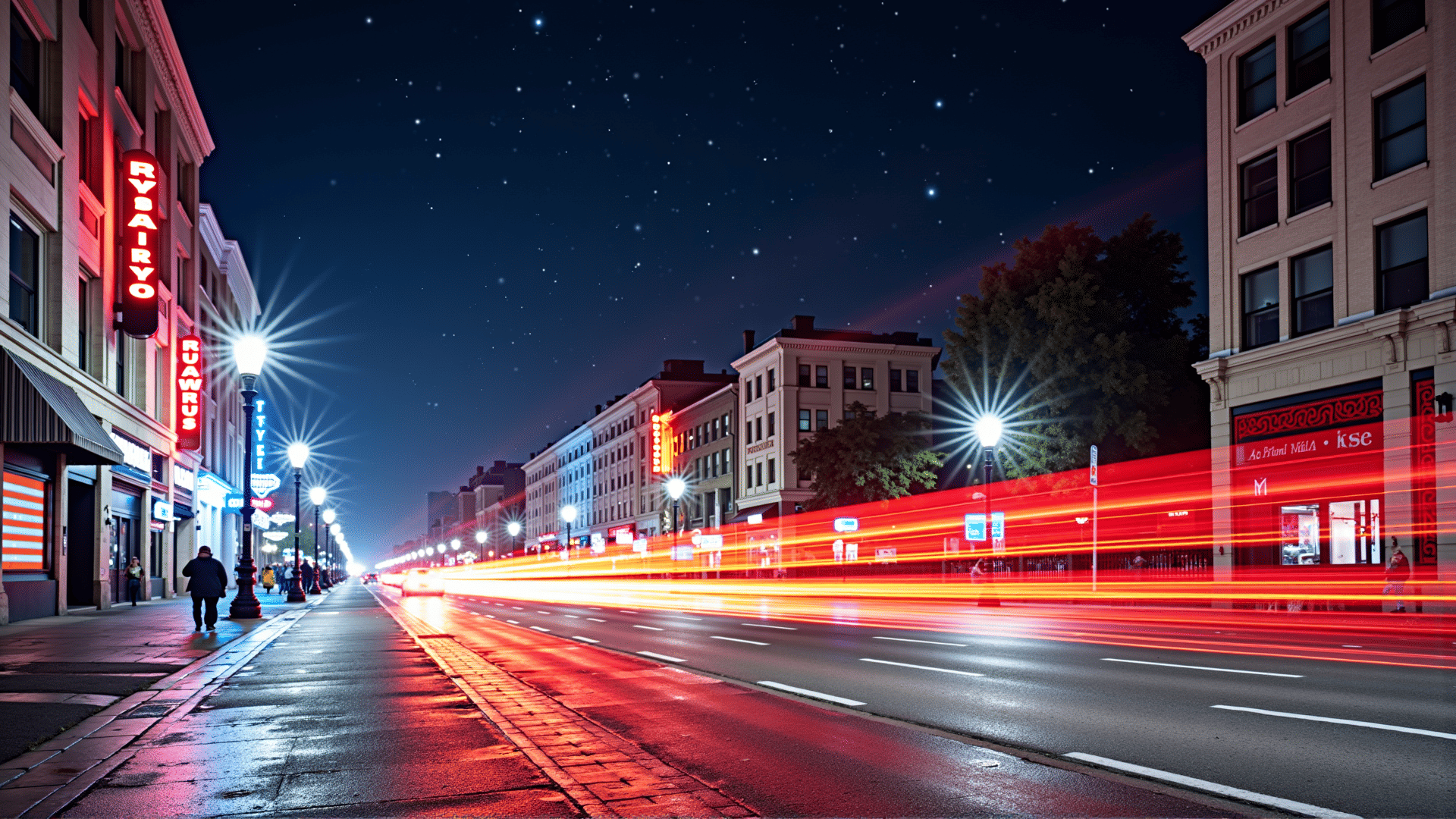
Light Trails: When photographing at night, extended shutter speeds can be used to capture the trails of lights from vehicles. This technique, often seen in urban images, can produce striking visuals as the moving lights weave a tapestry of color across the frame.
-
Ghosting Effect: By combining a slow shutter speed with a moving subject, one can achieve a ghosting effect. This ethereal appearance can add a sense of mystery to images and open up opportunities for creative storytelling.
Exploring Aperture
-
Depth of Field Control: By adjusting the aperture, photographers can control the depth of field, which determines how much of the image is in focus. A wide aperture creates a shallow depth of field, allowing for sharp focus on the subject while the background becomes beautifully blurred. This technique is effective in portrait photography where the subject needs to stand out against the backdrop.
-
Starburst Effect: A small aperture can help produce a starburst effect, where light sources appear with star-shaped diffraction. This can add a touch of magic when capturing points of light, whether from the sun peeping through leaves or streetlights glowing in a nighttime scene.
-
Aperture Priority in Low Light: In dimly lit conditions, adjusting the aperture to be wide allows more light to hit the sensor, minimizing the need for additional light sources. This approach can be particularly useful when shooting indoors or during twilight hours.
-
Creative Focus: Playing with aperture settings can also enable selective focus, a technique that directs the viewer's attention to a particular aspect of the composition. By highlighting specific details within the frame, a photographer can emphasize the story or mood they wish to convey.
Combining Techniques
By exploring the interplay between shutter speed and aperture, photographers can further refine their creative vision. For instance, when photographing landscapes at dawn or dusk, one might use a small aperture for a deep depth of field combined with a slower shutter speed to capture detailed textures in low light.
To achieve mastery over these elements requires both practice and experimentation. By pushing the boundaries and trying new approaches, photographers can discover unique and personal styles that elevate their imagery beyond the ordinary. Each setting offers a palette of possibilities to craft compelling narratives through the lens.