Exploring various lighting techniques is essential for elevating your imagery to new heights. Whether you’re shooting outdoors or inside a professional setup, understanding how light interacts with subjects is key. Let's delve into several methods that can significantly enhance the quality of your work.
Natural Light Photography
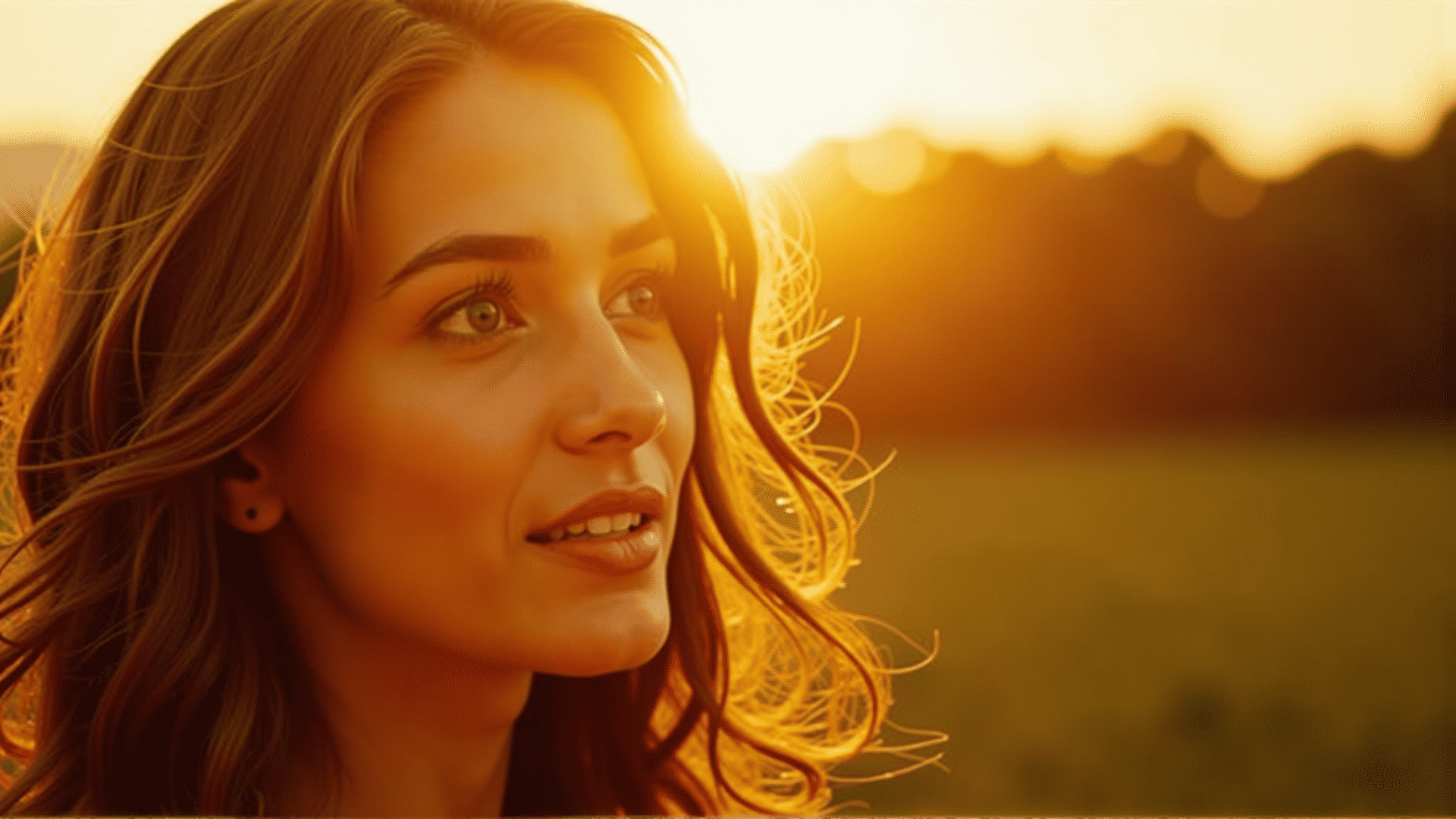
One of the most accessible light sources is the sun. Natural light can offer a wide range of effects, from soft to dramatic, depending on the time of day and weather conditions. For a gentle, flattering glow, the hours shortly after sunrise and just before sunset, known as the "golden hour," provide warm and diffused lighting that's perfect for portraits and landscapes. On cloudy days, the diffused sunlight creates an even softer light, ideal for minimizing shadows and capturing fine details.
Window Light for Indoor Shots
When shooting indoors, large windows can be your best asset. Position your subject near a window to take advantage of diffused natural light. By adjusting blinds or curtains, you can modify the light's intensity and direction, crafting a variety of moods and textures. Reflectors can be used opposite the window to bounce light back onto your subject, ensuring they are evenly lit.
Studio Lighting Essentials
In a controlled environment, you have the freedom to design your lighting entirely. The three-point lighting setup is a fundamental technique, consisting of a key light, fill light, and backlight. The key light is the primary one, creating the most significant impact. A fill light is placed opposite the key light to soften shadows, while the backlight adds depth by separating the subject from the background.
Modifiers and Light Shaping Tools
To achieve the desired aesthetic, utilize light modifiers such as softboxes, umbrellas, and reflectors. A softbox diffuses light, resulting in a softer and more natural look. Umbrellas are versatile, providing either reflective or diffused light, depending on their orientation. Reflectors are excellent for bouncing existing light to illuminate shadows or add subtle highlights.
Creative Lighting Styles
Experimentation leads to discovering unique styles. Low-key lighting, which utilizes minimal lighting to create dramatic shadows and contrasts, is perfect for moody and emotive photography. High-key lighting, in contrast, utilizes bright light to produce airy and upbeat imagery, often with a slightly overexposed background and minimized contrast.
Utilizing Colored Gels
For creative vibrancy, employing colored gels over your light sources can transform a scene. Gels allow you to infuse your images with color, changing the mood and atmosphere dramatically. They can be used in tandem with different lighting setups to highlight specific aspects or produce an avant-garde appearance.
Exploring Light in Motion
Playing with light in motion can lead to captivating effects like light trails or ghostly figures. Techniques such as long exposure capture movement over time, allowing you to depict motion blur in vibrant streetscapes or the allure of starlit skies. With practice, you can weave narratives that transcend still imagery.
By mastering these lighting techniques, you can greatly enhance the depth and allure of your images. Whether harnessing the natural glow of the sun or meticulously crafting a studio scene, your understanding of light will be the guiding force behind your creative vision.